Tag Archives: New York City

Artist Feature: Adam Hopkins

Adam Hopkins is a composer and bassist living in the Ditmas Park area of Brooklyn by way of Baltimore, Maryland. As part of thriving music scenes in his hometown and his current city of residence, Adam tells an artistic tale of people coming together to create great music and community. Some of the groups he’s involved with, such as Signal Problems, have been around for years and thereby boast a unique group dynamic and musical language developed over time, which add intricacies to their exciting improvisations. Here, Reflection serves as the collective memory of the artist, while Response is a collective sharing and exploration of each participant’s story through sound. In our dialogue below, Adam delves specifically into two tracks, Pogo Stick and We Turn Around, and presents a video of the Adam Hopkins Quartet. He stays busy in New York and has various upcoming records with the several bands he participates in as leader and sideman. Peep the conversation below!

Adam Hopkins | Photo by Michael Yu (2014)

Adam Hopkins | Photo by Michael Yu (2014)

Playing music is all about relationships and communicating with other people, so I am constantly reacting to their ideas and embracing their musical identity as well as my own…it’s that concept of simultaneously reflecting on one’s own unique experiences and bringing them to a group environment, which creates something that is greater than each individual part combined.

– Adam Hopkins

Leading off with some basics, where are you from? And where are you at? 

AH: I currently live in Brooklyn, NY–Ditmas Park specifically. I don’t think I’d normally mention the neighborhood as part of a response to this question, but I really love where I live! A lot of my closest musical collaborators live within 3 blocks of me, and also there are trees. Lots and lots of trees, which is a bit different for Brooklyn.

I was born and raised in Baltimore, MD. I left for college and grad school, but found myself back there in 2005. I consider that time in Baltimore until I moved to NY in 2011 to be the most formative years artistically of my life to this point. The music scene in Baltimore, specifically the creative and improvised music scene, is very small but at the same time full of talented and inspiring people. We started a bunch of bands, wrote new music for them, rehearsed a LOT (something that is much more rare in NY currently), made records, and played shows. It was the best, now that I think of it. In 2011 four of us decided to move to NY from Baltimore, and settled into a house in Bushwick with a great rehearsal space in the basement. That group of people, who basically moved up on the same day, was already a band called Signal Problems led by my former-roommate-but-still-friend Danny Gouker. We continue to rehearse all of the time, and still play regularly. In fact we just released our debut album on pfMentum records which can be checked out right here: http://www.pfmentum.com/PFMCD080.html. There are no subs in the group ever, which has helped maintain it as an actual band and not just a rotating group of potential people. So, you know…Baltimore sticks together wherever we are. 

What does Reflection and Response mean to you?

AH: As an improviser, reflection and response are at the very center of what occurs any time I play music, be it solo or with a group.

Reflection to me is everything that has happened in my life, musically or not, that has gotten me to where I am in that very moment. At my absolute best I am able to look inwardly and draw on all of those experiences to present a statement or vision that is uniquely my own.  

The response can be looked at from a number of angles, but primarily a response is what comes out of my instrument as a result of those experiences. Playing music is all about relationships and communicating with other people, so I am constantly reacting to their ideas and embracing their musical identity as well as my own. It’s what makes improvised music like nothing else…we all bring our experiences from vastly different places to a performance, and as a group we find a way to make it work.

How does your work specifically fit in with that definition?

AH: This first track isn’t one of my own compositions, but I think it is a great example of this concept. It’s from Signal Problems, written by Danny Gouker who plays trumpet, with Eric Trudel on saxophone, Nathan Ellman-Bell on drums, and I’m playing bass. 

It is 30-seconds or so of written music and then we immediately launch into an improvisation. This band has been playing together for over five years, and we’ve developed our own sort of group language as a result. The entire improvised section is the band responding in the moment to everything going on around us. So again, it’s that concept of simultaneously reflecting on one’s own unique experiences and bringing them to a group environment, which creates something that is greater than each individual part combined. 

This second track is a little bit older, but it’s one of my own compositions from 2011. It is a band that was started in Baltimore called Turn Around Norman, with Cam Collins on saxophone, JJ Wright on keyboards, Nathan Ellman-Bell (again) on drums, and myself on bass. 

There was a time when this entire band lived in New York as well, but life choices spread us out a bit and we don’t get to play together nearly as often as we’d like. It is a good example of my compositional approach, so I figured why not include it!? There is improvising in the track, but I think it is mostly influenced by the grunge rock of my high school years and my earliest musical experiences playing in dive clubs and wearing funny hats. There’s maybe a little disco at the end as well, and I’m not sure where that came from. It seeped into my musical being somewhere along the line. 

What else have you been working on recently? What are you looking to work on next?

Continue reading

Tagged , , , , , , , , , , , , , , , , , , ,

Artist Feature: Ebonie Smith

In November of 2013, I was lucky enough to be in the audience for a panel discussion at the Hip Hop Think Tank III that featured New York-based music producer and composer Ebonie Smith. She dropped important information about the relevance of remixing and technology in sound production, and we’ve connected since the event to have her share some of her inspiring work with the LIFESTYLE Collective. Ebonie brings us ideas on how the power of sound can be used to reflect on and respond to the past, evident in her sampling voicemail messages from her late grandmother on her track “Circles of Robbie.” This track and appears on the melodic and impressive production beat tape Carnelian, one of Ebonie’s many dope projects. Between producing for Atlantic Records, running her own boutique music production and publishing company Eudora House, and founding Gender Amplified, a movement that supports female music producers, Ebonie holds it down on multiple fronts.

Ebonie Smith

Reflection and Response refers to one’s ability to adapt aspects of the past to impact the present. As a music producer and engineer, my work attempts to translate the past through sound and music technology.

– Ebonie Smith

Leading off with some basics, where are you from? And where are you at? 

ES: I currently reside in New York City. I am originally from Memphis, Tennessee.

What does Reflection and Response mean to you?

ES: Reflection and Response refers to one’s ability to adapt aspects of the past to impact the present. As a music producer and engineer, my work attempts to translate the past through sound and music technology.
How does Carnelian fit in with that definition?
ES: Carnelian is a production beat tape that exemplifies this definition in many ways. For example, the track “Circles of Robbie” is an ode to my grandmother, who unexpectedly died late last year. The track features samples from her voicemails to me. It also features samples of the music that helped me through that time. The track is a means of preserving her voice and elements of our special relationship. I use music technology and production skills to reference the past in an attempt to move forward.

What else have you been working on recently? What are you looking to work on next?

Continue reading

Tagged , , , , , , , , , ,

Artist Feature: Billy Buss

I first saw Billy Buss playing onstage with the Berkeley High Jazz Ensemble a number of years ago, ripping the trumpet during a jazz solo, using a mic that was hooked up to a distortion pedal that I had thought could only be used for rock music. It’s stuck with me all this time as an incredible example of the interconnectedness of musical genres. Billy went on to study at Berklee College of Music and Loyola University in New Orleans, and now lives between Boston and NYC. In our interview, he talks about utilizing the medium of music to explore deep within ourselves as people and peers and practices this exploration through his debut album of original material, Scenes From A Dream. Billy hustles on the daily organizing and performing shows while also teaching trumpet and piano. Peep the dialogue below!

Billy Buss

Reflection is the time we take to ponder, analyze and justify the past. Response is how we utilize the present to bring meaning and potential to the future.

– Billy Buss

Leading off with some basics, where are you from? And where are you at?

BB: I grew up in Berkeley, CA. Currently, I split my time between NYC and Boston, MA.

What does Reflection and Response mean to you?

BB: Reflection is the time we take to ponder, analyze and justify the past. Response is how we utilize the present to bring meaning and potential to the future. For me, the artistic process serves as an introspective microcosm of this system.

How does your work fit in with that definition?

BB: Any musical composition of mine that makes it to paper embodies this approach. Most start either with a melodic idea, concept, feeling, or emotional or spiritual observation and are developed and thusly titled from there. The title track from my debut album, “Scenes From A Dream,” encompasses the over-arching theme explored throughout the CD as a whole. Dreams are projections of our subconscious and often explore, without prejudice, the deepest, darkest (and brightest) corners of our mind. Much like the composers of Romantic Classical music such as Wagner, Beethoven or Debussy, I strive to create music that can elicit a whole spectrum of emotion or thought from the listener. And much like dreams, my music can (and should) be open to many interpretations.

What else have you been working on recently? What are you looking to work on next?

Continue reading

Tagged , , , , , , , , , ,

Artist Feature: Michael Summer

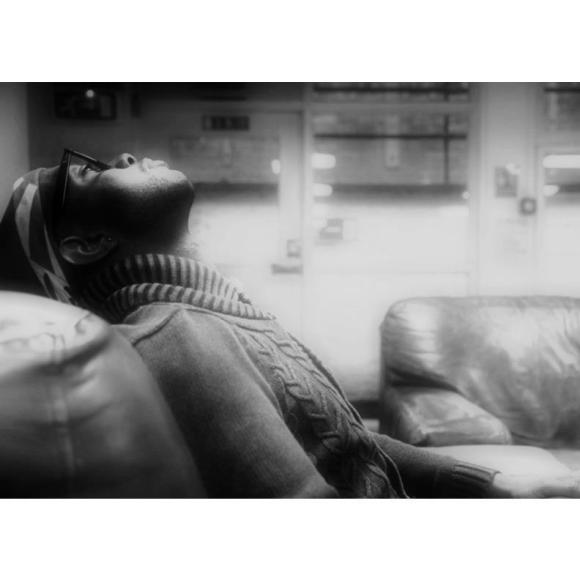
Michael Summer, one of our fellow Berkeley High School alumni, is a saxophonist whose journey has taken him through Santa Cruz , Berklee College of Music in Boston, and now New York City. Highlighting the importance and strength of Reflection and Response listening, Michael stresses the centrality of using his ears in his creative process. He also brings up the beauty that can result from artists who learn the difficult task of stripping away desires to participate in creative dialogue. A recent New York transplant, he’s been working in various local musical spaces, including playing with Tiger Speak , The Love Experiment, and MoRuf. We look forward to hearing more from these bands along with Mike’s plans to record solo material later on this year!

Michael Summer

Reflection and Response really is about listening for me. It’s a hard art, and seems to be a creative tool that is being less and less stressed these days. Whether it be in music, physical or digital art, dance, poetry, or day to day conversation and interaction, truly listening and being aware of what’s out there can be a very difficult thing to do.

– Michael Summer

Leading off with some basics, where are you from? And where are you at?
MS: Born in Oakland, CA and spent my high school years in Berkeley. Moved on to Santa Cruz for three years where I studied physics and later got involved in music and studying the saxophone. After living in a beach paradise, scooted off to frigid Boston where I went to Berklee College of Music and did jazz studies. Moved to Harlem in November of 2013 and moved to Brooklyn 2 weeks ago. I’m finally feeling settled into this glorious madness of a city.

What does Reflection and Response mean to you?

MS: Reflection and Response really is about listening for me. It’s a hard art, and seems to be a creative tool that is being less and less stressed these days. Whether it be in music, physical or digital art, dance, poetry, or day to day conversation and interaction, truly listening and being aware of what’s out there can be a very difficult thing to do. The world of facebook statuses and twitter posts has made it easy to broadcast and yell out to the ethersphere with a minimum amount of dialogue and discourse at times. Honest interaction can be tough to come by. So whenever I’m playing with a group of musicians, or trying to help run a rehearsal, I really try to do my absolute best to listen for what the music needs and where everyone is falling into place in the moment that is being created. I love to make improvised music with friends and really create a conversation. If you can remove ego, the need to be self-satisfied, and put aside the hunger for validation, you can make some amazing things happen. It’s one of the hardest things to do in my opinion. And most people, myself included, are scared at times to open up in that honest way without letting your human desires get in the way of honest expression. It’s amazing to witness when it happens though, and an incredible thing to be a part of. This dude Thundercat gave one of the best performances I’ve ever witnessed about a month ago that left me on cloud nine.

One of my favorite interviews is with Bruce Lee where he discusses honest expression.

How does your work fit in with that definition?

MS: I’m in a hip hop group called Tiger Speak that I’m very excited about. We’ve been together for a bit now, and I think the concept of listening is really coming together for us. I can be a pain in the ass sometimes during rehearsals, trying to get the “mix” just right be it dynamics, fills, intonation, form, flow, or improvisation. Of course, micro-managing a piece of music or a group of musicians can be mighty dangerous artistically, so you really have to have a balance of letting people go and doing their thing and reining in the group as a whole. It’s really the collision of the technical and the artistic, the age old battle (or harmony) of the classical versus the romantic approach.

What else have you been working on recently? What are you looking to work on next?
Continue reading

Tagged , , , , , , , , , , , , ,

Artist Feature: Nick Nova

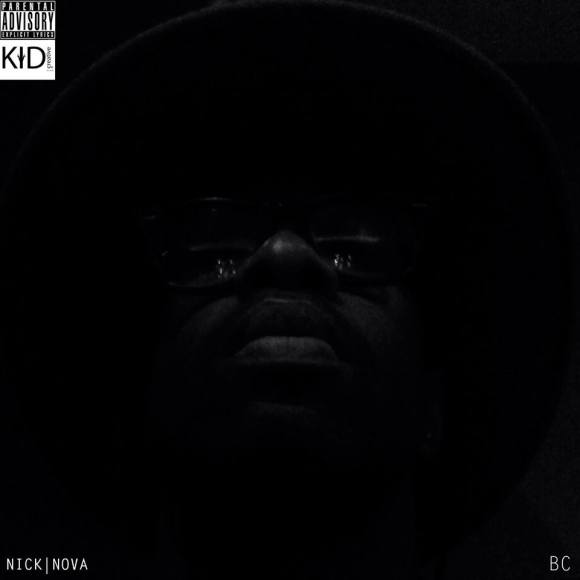
We welcome our friend Nick Nova (born Kwaku Boateng-Farrar) to the LIFESTYLE dialogue. Nova’s creative output operates on many different levels, including music/audio, design, and information distribution. The concept of power is one of the central themes in this artist’s piece as he touches on the re-appropriation of past experiences and memories. Nova provides a dope look at this empowering nature of Reflection and Response in addition to other aspects of his creative process. Check the interview below!

Nick Nova

The ability to reflect on personal experience, past innovations, and current affairs empowers one to respond to obstacles, criticisms and general stressors in a fashion that consciously assists their own progression, as well as that of culture and society at large.

– Nick Nova

Leading off with some basics, where are you from? And where are you at?

NN: I’m definitely a West Coast kid. I was born and raised in Northern California, the Bay Area specifically. After high school I stuck around for a bit before moving to London, England for college. I’m now back in the U.S.and have settled in Brooklyn, NY.

What does Reflection and Response mean to you?

NN: Reflection and Response to me represents the two important, synergistic aspects of creating and succeeding. People often lose sight of self-importance when attempting to achieve greatness in a public space, but the willingness to consider one’s own objectives and mapping out personal checkpoints is vital to the success of projects bigger than its creator. Building on that, the ability to reflect on personal experience, past innovations, and current affairs empowers one to respond to obstacles, criticisms and general stressors in a fashion that consciously assists their own progression, as well as that of culture and society at large.

BC

How does your project BC fit in with that definition?

NN: My latest music project ‘BC’ represents this entirely because it is me reflecting on my past, both in the content, as well as the more technical aspect of the project. Recognizing my previous musical inhibitions and seeing how much it hindered my potential, ‘BC’ finds me embracing those flaws and making the appropriate changes to better position myself for achieving my musical goals.

From my observations, it’s common for creators to bury certain aspects of their lives as a defense mechanism, but one doesn’t have a true concept of power until you embrace the most difficult of memories and utilize past pain and/or frustration into something positive and empowering for others. A personal example would be on a record I have called “Tunnel” in which I mention my experience of being bullied. Up until this project I never wanted to share that vulnerability, but upon reflecting on the experience and seeing how much the experience aided my development, I recognized that it was imperative for me to share this so that younger listeners, or even people my age who may be bullied on the job or elsewhere and feel helpless, can recognize their own power through my story and they can stand up to their detractors and even if the results aren’t instantaneous, they’ll know it’s ok to fall down as long as you keep fighting to stand on your feet again, physically and or metaphorically depending on your situation.

What else have you been working on recently? What are you looking to work on next?
Continue reading

Tagged , , , , , , , , , , , , ,

Artist Feature: Noah Garabedian

Bassist and composer Noah Garabedian is originally from Berkeley, has lived in Los Angeles, and now resides in Brooklyn. It was a long time coming, but we were able to catch up with Noah recently at Hank’s Saloon in Brooklyn, where he played with his group The Slim Tones – a flat-out incredible set featuring their signature honking-tenor rhythm and blues. A hardworking craftsman, Noah plays with multiple groups spanning an eclectic range of sound and genre, including – along with The Slim Tones – Big Butter and the Egg Men, The Amigos Band, and the Rebirth Project. In the following dialogue, Noah breaks down his approach to music and discusses his current and future projects. Keep an eye out for a couple New York engagements this weekend and The Amigos Band’s upcoming tour in Southeast Asia in March. Check it!

Noah Garabedian

Everyone experiences countless provocations of the senses everyday, and reflection is the moment one takes to acknowledge its occurrence. Response is the way one acts after that experience.

– Noah Garabedian

Leading off with some basics, where are you from? And where are you at?

NG: I’m from Berkeley, CA, and I currently live in Brooklyn, NY after 5 years in Los Angeles.

What does Reflection and Response mean to you?

NG: Reflection is the process of digesting material that has penetrated one’s exterior and provoked a reaction; whether it be within or out for all to see. Everyone experiences countless provocations of the senses everyday, and reflection is the moment one takes to acknowledge its occurrence. Response is the way one acts after that experience.

How does your work fit in with that definition?

NG: My current ensemble that I compose for is called Big Butter And The Egg Men. It is a sextet comprised of bass, drums, two tenor saxophones, alto sax, and trumpet. The compositions and sound of the group combine several influences of mine. I cannot help being influenced by experiences of my past, not only musical, and those inevitably show themselves in my writing and improvising.

As a music student, you are constantly told to understand and respect the history, the tradition, and the rules. Then you are told to throw it all out and to be creative and original. I suppose my own compositional process and my own approach to making music on the bandstand, is a response to my reflections of the past or just old habits I developed by rote.

What else have you been working on recently? What are you looking to work on next?
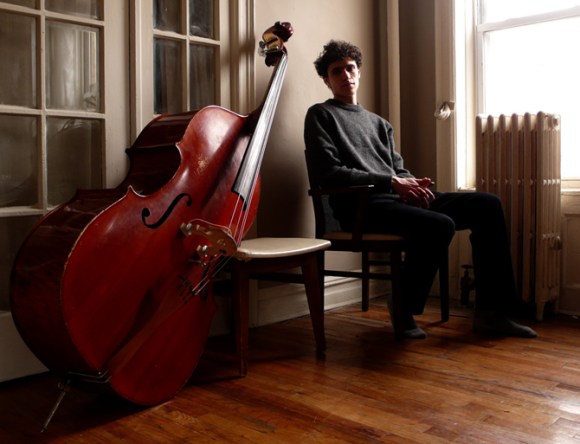
NG: I am currently excited to be working on two other projects. The first is The Amigos Band. We play all types of American music – country, Cajun, blues, and jazz. We just released our first full length album, Diner In The Sky, and on March 10 we will be representing the US State Department as musical ambassadors on a 5 week tour throughout Southeast Asia. The second project I am working on is called the Rebirth Project. The music I am currently writing for this project is traditional Armenian folk music, mixed with improvisation, and combined with a contemporary compositional aesthetic.

Who or what inspires you?

Continue reading

Tagged , , , , , , , , , , , , , , , , , , ,

Artist Feature: Naïmah

I had the good pleasure of meeting Naïmah at a local coffeehouse in Greenpoint, Brooklyn a couple weeks ago. A Washington D.C.-based singer-songwriter, Naïmah is currently working on her own EP, writing songs for a handful of other artists, and playing shows in the DC and New York areas. We’re happy to welcome her to the Collective as she discusses her understanding and application of Reflection and Response, the creative process behind her song Wolf and I, and various other topics. We’re looking forward to a lot more dope work from Naïmah in the months and years ahead! Check out the dialogue below.

Naimah

Support each other. I’ve witnessed too much animosity in the art world, especially jealousy-driven. Everyone has their own gift, their own individual way of looking at something, and at the end of the day, no one can replicate that.

– Naïmah

Leading off with some basics, where are you from? And where are you at?

N: I’m from Washington, D.C., and after going to boarding school in Boston, and college at USC in Los Angeles, I’ve made my way back to the District. A bit surprising to some, as I’m emanating those California vibes “for sure”, but it’s nice to be home and planting my roots and growing where I first got started.

What does Reflection and Response mean to you?

N: Within the harmony of those two actions I find the creative process at its best.  The thing about art as I see it, or at least how I approach my music, is that it is always a response to a reflection on a moment, a person, a feeling, and so on.

Whether I realize something is on my mind or not, songwriting helps me navigate through that process of reflection, and to figure out just how much that subject meant—or means—to me.  Each song is me saying, “This is my response about X. This is how I feel.”

And the incredible part is when that individual reflection and response, my response, captures the way someone else might also feel in their own reflection, or to allow them to see their feelings in a new light.

It’s hard to make this intangible transaction into a tangible explanation, but I hope that all makes sense.

How does ‘Wolf and I’ fit in with that definition? 

N: It doesn’t get more “reflection and response” than in Wolf and I. Well, it does, but prior to writing the song I’d been in a phase of day-dreaming and imagining and writing songs based on these scenes I made up when, after a trip to New York, I was headed back home on the bus, feverishly free-writing in my notes on my iPhone (let me say how restrictive auto-correct and that little screen is) as I attempted to capture how I felt about the events that had just occurred, and all the moments and experiences making up my relationship with this particular person and situation.

Wolf and I is a love song in its most basic interpretation, but I think the fact that it’s really so much more than that below the surface is why people have been able to connect with it. It’s about perception, the way you look at something, the good and the bad all at once.

Wolf is a simile I used to describe someone and something both close and distant, endearing, and in the process of change; and Wolf and I was my reflection, my attempt to articulate, all these thoughts in some kind of compact organization that I could store them in.

Since writing the song, I’ve opened back up to the realization of how important reflection and response is, and how my songs come to life when they are created in this frame of mind.

Photo by Alexandra Howland

Photo by Alexandra Howland

What else have you been working on recently? What are you looking to work on next?

Continue reading

Tagged , , , , , , , , , , , , , , , ,

Artist Feature: Ken Grand-Pierre

Ken Grand-Pierre is a New York-based music photographer whose lens captures images that recall specific moments and feelings. His love of concerts and live music help fuel his work in this epicenter of creativity. Ken’s photography spans shots of shows as well as his unique “Day in the Life” series which captures images of musicians the day leading up to a performance. Ken has been his on grind and has had the opportunity to photograph the music and performance activities of many dope artists. Throughout his piece Ken touches on his diverse influences, the idea of eschewing perfection in the creation of art, ideas of Reflection and Response, and stories of capturing music through images.

Ken Grand-Pierre

Photo by Nicole Mago

Fuck the idea of perfection and resources. Perfectionists are important in our lives but never allow perfection to be the reason you hold back from doing something; make mistakes and learn from them…

– Ken Grand-Pierre

Leading off with some basics, where are you from? And where are you at?

KGP: Hello, my name is Ken Grand-Pierre! I’m originally from a small town called Rockland County, which is forty minutes outside of NYC. I am now based in NYC and have been for about six years on and off (more on then off though). Rockland is an area that I always felt I had to get out of, especially from a very small age. There’s good people there but it’s not a place where creativity can thrive, at least not to it’s full potential, so while growing up I’d always see NYC as the epic centre of everything and being able to be here now, being part of it all is still something that’s wild to me.

What does Reflection and Response mean to you?

KGP: Both of those words are strong to me, especially because I find them to be both cohesive and universal with how humans are in general. I think the smartest people I’ve ever come across are the ones who are constantly reflecting on the experiences and decisions in their lives and responding to those reflections in a willful manner. You can’t get anywhere in life unless you have the will to do things, to take risks with your life in any size and variety, and I believe the most important choices you can make in life come from reflection and response.

Ken Grand-Pierre - The 1975

Ken Grand-Pierre – The 1975

How does your work fit in with that definition?

KGP: The pieces I chose to accompany this interview are photos that just take me back to a moment instantly. When it comes to covering shows I love working with artists I know close to little about just as much as artists I already admire. I also believe that no one should ever limit themselves to just one genre. It blows my mind how many music fans (even fellow photographers) I’ve come across who are so closed-minded. People who say things like ‘Oh Indie music? Gross!’ or ‘I wouldn’t be caught dead at a Rap show!’ things like that make me immensely dumbfounded, especially if you’re a music photographer you should aim to do as many different things as possible. The shot I specifically picked for this question is of Rónán (AKA Ro) from Irish band Delorentos.

Ken Grand-Pierre - Rónán of Delorentos

Ken Grand-Pierre – Rónán of Delorentos

They’re one of my favorite bands and have been for years, and I never thought I’d get the opportunity to see them live. Last year they released a new album and came to NYC to play a show to promote it. I jumped at the chance to do it but I also aimed to spend the day with them for a ‘Day In The Life’ type of photo feature. I had never done one before and I had no idea how to prepare or anything haha but I just went about it naturally and tried my best. This photo was taken right after the show. The band came off stage and I went backstage (well technically downstairs since it was at Mercury Lounge and the green room is a cellar) and Ro was about to grab a towel when I propped up my camera and said ‘Ro! Have a scream!’ and he did hahaha it was absolutely random and the thought occurred in seconds but it’s one of my favorite shots haha. I picked this shot because when I think of reflection/response I think of things that accumulate, as well as things that happen quickly yet seamlessly. My passion for Delorentos brought me to that show and the fact I love what I do allowed me to spend the day with them, so it all kind of comes together in a cause/effect sort of way.

What else have you been working on recently? What are you looking to work on next?
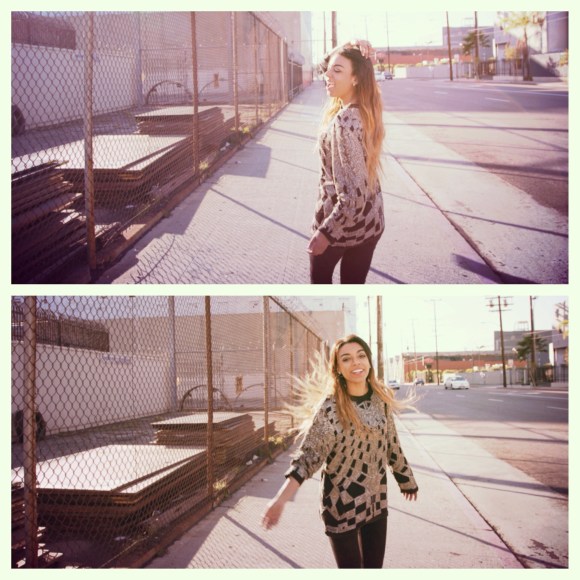
KGP: I’ve mostly been photographing musicians like always but also doing ‘Day In The Life’ photo features with bands. That’s when I’ll spend a day with a band and photograph the day as it leads up to the show. It’s what I enjoy doing the most and I’m hoping to expand on that. My biggest goals now are to eventually tour with a band and photograph a European music festival. I think when it comes to aspirations those are the two clearest ones I have that’d make me feel complete in some way, shape, or form. I mean people always go on about buying a house or getting good credit but things like that seem so boring to me. You should naturally get good credit and a house in your life so why not aspire for something bigger? For something more? Something I love is when I do something like shoot a festival or an arena show and there’s a moment where I’ll look about and wonder ‘….wow….how the fuck did I get here?’ so I think my ultimate goal is chasing that beautiful feeling.

Ken Grand-Pierre - Glasvegas

Ken Grand-Pierre – Glasvegas

Who or what inspires you?

Continue reading

Tagged , , , , , , , , ,

Artist Feature: Franz Rothe

We’ve been fortunate enough to have become close friends with Dresden-born musician, writer, and filmmaker Franz Rothe over the past year here in Brooklyn, and his versatility and creative output are huge inspirations for us. In an insightful interview, Franz guides us through his perspectives on Reflection and Response, explores how these concepts fit in with his musical process, reflects on a recent album called Away that he worked on as part of the band Franz & Frau Schneider und dieser Andere, and talks through various current projects. Let’s dig in:

Franz Rothe

I believe that the urge to write a song results from the need to capture and express a certain feeling…You chase this feeling, this impulse, because it is haunting, like something you have once known but forgotten. And you try to figure out what it is, what it wants to be, how it wants to sound.

– Franz Rothe

Leading off with some basics, where are you from? And where are you at?

FR: I am from a beautiful city called Dresden in Germany. But I have been living here and there in the recent past. Right now I live in New York, which is wonderful but won’t last very long either.

What does Reflection and Response mean to you?

FR: I think that, in a way, Reflection and Response describes the very essence of music or really any kind of art. I believe that whatever we create can only be seen as a response to what we have seen, heard or experienced before. At least I would say about myself, that I’ve never come up with any kind of idea that was not a response to something somebody else did before me. We reflect upon our experiences, our impressions, and we respond to them – knowingly or not – and sculpt them into something new.

Pessimistically, that view could lead to questioning the mere idea of originality, as everything is just a combination of what was there before. But on the other hand, I enjoy the thought of being a part in an endless chain of Reflection and Response.

(For example, I am not ashamed to say that my biggest form of admiration for any kind of art is the thought ‘Why didn’t I think of that?’ followed by the thought ‘How can I take that and turn it into something new?’…)

How does your album ‘Away’ fit in with that definition?

FR: I think the album ‘Away’ is on many levels the product of Reflection and Response – it is what we made of music we heard, songs we love, songs we hate, books that touched us, people that surrounded us and places we have been. But it is also what we made of each other and ourselves.

I believe that the urge to write a song results from the need to capture and express a certain feeling. It’s never about which chords might go well together and which words might rhyme. You chase this feeling, this impulse, because it is haunting, like something you have once known but forgotten. And you try to figure out what it is, what it wants to be, how it wants to sound.

I think, in the best case an artist should be like the needle of a record player, materializing an invisible something.

As we were three musicians working together on this album, the most important part was responding to our surroundings in a similar way. Sharing an understanding of the feelings that we wanted to transport in the music we made. And with every musician we brought into the studio, we hoped they would be telling a similar story as we did, adding to what the three of us shared.

Then again, that sounds way more complex than it actually was. In the end we just made music together, simply loving each other for that.

Franz Rothe & Vivi

What else have you been working on recently? What are you looking to work on next?
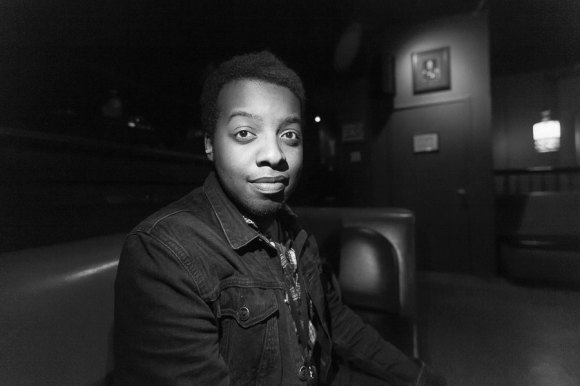
FR: I’m trying my hand at a couple of different things right now. There are so many languages in which you can express yourself, so I tried to look for other languages like film or writing. Kind of to find an outlet for things that haunted me, but couldn’t find their way out of my head through chords and melodies.

I made a documentary about forced evictions in Phnom Penh, Cambodia, with my dear friend Michael last year. It’s called ‘The Final Days’ and I’m happy about anyone watching it on vimeo.

Right now I actually started writing a book, which has been on my mind for ages. But first novels usually suck, so there’s really not too much to expect there…

Who or what inspires you?

FR: Places. People. My friends. Vivi and Lukas, who are the other two-thirds of the band. Their talent and their ability to always just naturally come up with exactly the right thing – that never ceased to amaze and inspire me!

Generally speaking though, in the best case, absolutely anything could be inspiration. But unfortunately I often have a hard time keeping the open eyes it takes to be aware of what’s actually around me.

So what I do is I travel a lot and try to see and live in as many countries and cultures as possible, to absorb as much as I can.

Is there anything else you would like the Collective to know?
FR: Check out the photographer Ben Zank! I just had the pleasure of meeting him and he is as nice a guy as he is a brilliant artist.
Shout out to…?

FR: Huge shout out to Vivi and Lukas, with whom I made the album ‘Away’ and whom I miss terribly when we are too far away from each other to make music!

Franz, Vivi, Lukas

Reflection and Response.

Tagged , , , , , , , , , , , , , , , , ,

Feature: Tanya Jackson

We’re honored to present this week’s feature on East Harlem-based educator, documentary artist, and performing artist Tanya Jackson. Collaboration is hard work sometimes, but nonetheless forces everyone invested in the process to grow—Tanya discusses her experiences working with other artists on some inspiring film projects and how she herself grows and develops through each project. Watch as she builds an exhibition of how we as people can be reflections of one another as we respond to the brush strokes that paint the canvas of our lives.

Tanya Jackson

Leading off with some basics, where are you from? And where are you at?

TJ: I’m a native New Yorker. I was born in Long Island and during the early years of my childhood, I bounced around various sections of the city. At about age 12, I moved to Hudson, New York where I finished high school. From there I earned a Bachelor of Arts in Communication from the University of New York at Albany – SUNY.

I lived in Philly for about 11 years and recently moved back to New York where I currently reside in East Harlem. But I spend a good amount of my free time in the artistic bed of Brooklyn.

What does Reflection and Response mean to you?

TJ: Reflection is a process used for recalling experiences in order to analyze and evaluate our thoughts, feelings and actions, as well as the social context that informs how we address those experiences.  Reflection is how we make sense of our lives and the world around us.  Response is replying, answering or reacting to something – and the reaction can take many forms.

Artistically, I respond through my role as an educator, media maker and performing artist.

How does your work fit in with that definition?

TJ: I recently worked with Visual and Performing Artist Frances Bradley shooting and editing the promotional video for the Womanhood or Woman’s-Hurt? project.  The project is a depiction of her experience as a victim and survivor of sexual assault.

When Frances and I first started discussing ideas, I found myself reluctant to take it on because I was dealing with a lot personally – including the loss of my father and my younger sister within a few months of each other. I was mentally and emotionally exhausted and all those things made me feel defeated. But creativity has the power to revitalize.

As a documentary artist, it is always challenging to document someone’s personal life. It requires you to be present as a human being but detached as an artist so you can operate from an objective standpoint that allows you to convey their message in the best way. Even though Frances only needed basic videography services, it ended up being a pretty tough project.

The experience depicted in Womanhood or Woman’s-Hurt? is not isolated. One in six women are victims of sexual violence, and through visual art, Frances managed to capture themes that reflect the psychological and emotional trauma every victim deals with after being sexually violated. You can’t spend countless hours shooting and editing that type of footage and ignore that.

Retrospectively, learning about Frances’ experience and working to capture the message she was trying to convey challenged me to reflect and cope with my personal history of being sexualized at an early age. I was on a creative journey that no other project had ever taken me on. Womanhood or Woman’s-Hurt? is truly the Art of Healing and working on the project helped my own healing process. My contribution to Womanhood or Woman’s-Hurt is paralleled with Frances’ work – and is the response to that reflection.

What else have you been working on recently? What are you looking to work on next?
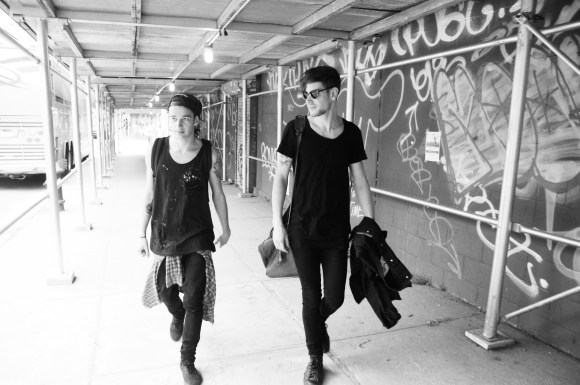
TJ: Ironically, the majority of projects I’ve worked on for the past year focused on relationship and sexual violence.

I’m co-director of an after school program where I also teach high school students documentary filmmaking around social issues. This past spring, my students chose to explore dating violence for their term project after one of their peers shared her experience of being in a violent relationship with her child’s father. After showing my students the Womanhood or Woman’s-Hurt? promotional video, the same student who shared her violent relationship experience, shared how inspired she was by Frances’ courage to give voice to her trauma, and work to heal. Frances’ story, in part, helped this student find the courage to profile her own story in the students’ film, Journey to Survival, which confirms the necessity of the Womanhood or Woman’s-Hurt? project.

Last year, I co-starred in the short film, Bottom, written by up and coming director Chinonye Chukwu.  Bottom addresses sexual trauma’s effect on intimate relationships. That film is currently in distribution and recently premiered at the Los Angeles OutFest Festival.

Promo photo from "Bottom," a story of love between girlfriends taking an unexpected turn.

Promo photo from “Bottom,” a story of love between girlfriends taking an unexpected turn.

In the beginning of July I (humbly) served as a production assistant for an episode of Lisa Ling’s Our America series, which airs on Oprah Winfrey’s OWN network.  I say humbly because I haven’t been a production assistant in a couple of moons and I certainly didn’t see myself chiefly responsible for getting coffee and loading camera equipment at this age. But the experience and networking opportunities were well worth it!

I am currently working to finish the documentary for Womanhood or Woman’s-Hurt?. And I will also be working with Ms. Chukwu on her next short narrative, A Long Walk, a story that takes place in Philadelphia during the 1980s, and explores the effects of staying silent after witnessing injustice.

Who or what inspires you?

TJ: I find inspiration in lots of places.  Throughout the course of my life, the Black experience in the world, the struggle—how people fight against various forms of oppression in this world has always moved and churned my spirit.  As a youth I danced, wrote poems and made speeches about the Black experience. Ms. Debbie Allen was a huge inspiration to me in my youth because of her ability to channel different forms of artistic talent as a means of expression.

Learning inspires me! I earned a Bachelor of Arts and Master of Arts in media studies, with a specialization in media literacy education (MLE).  As a student I was always excited about investigating all kinds of interests, especially when it came to studying how people consume media. The best practices of MLE rest in the awareness that inquiry and co-creating knowledge in an educational setting cultivates learning that requires constant reflection and encourages intentional, conscious response.

The energy of NYC inspires me.  I am inspired by my students and the communities where I work. I find the perspective, courage and vulnerability of other artists inspiring. Beautiful imagery in still and moving images cause me to soar. Direct engagement with all sorts of art is inspiring to me. I especially like being pleasantly surprised by art and nature when I’m walking about in the world.  I tend to get lost in my head a lot when walking and when art or nature unexpectedly jumps out at me, I’m immediately reminded that beauty can be just as real as it can be imagined.  Of course, a well made documentary film or video can inspire creative ideas.  Lastly, and most importantly, I find inspiration in myself when I am centered and in tune with my own creativity—true inspiration comes from the inside out.

Is there anything else you would like the Collective to know?

TJ: Art is a universal language and the life-size art of Womanhood or Woman’s-Hurt? tells a story that the majority of women in our lives are experiencing. People are becoming more visually oriented and conversations about sexual violence, it’s impact on victims and the healing process, needs to reflect that trend.

Only four out of 12 pieces of Womanhood or Woman’s-Hurt? are finished and we’re raising $25,000 to complete the project and we need all the support we can get. Every dollar counts so please contribute to this project.

I’m just beginning momentum for my company, Life Happens Media Works.  The Reflection and Response theme of LIFESTYLE resonates with the direction I plan to develop future work; taking part in this interview has been very helpful in developing these concepts. Thank you for your time and interest in my story.

I also want the Collective to know that our gifts matter! Our existence matters, even when we don’t feel like it does. We must continue to reflect and respond through our work and just Being the unique expressions of Love that we are; we are messengers!

Shout out to…?

TJ: All my homies! The driving force and PR department of the Womanhood or Woman’s Hurt Project, Frances Bradley and LaToya English; Frances Bradley again for her courage, power and artistry, she definitely inspires me in multiple ways.  Thanks to the Educational Video Center where I currently teach documentary filmmaking. EVC has been such a great place to merge my skill sets in education and media making. As I enhance my artistic skills, I can’t ask for a better day-job set up. Thanks to filmmaker, Chinonye Chukwu for being my artistic angel. She has lovingly included me on really amazing projects in ways that challenge and honor my gifts. She has provided a significant amount of loving support and encouraged me to continue being a true artist! Shout outs to all artists! Shout outs to my family and friends who ground me, save me and love me through thick and thin, Shout out to the city and people of Philadelphia for helping me mature and cultivate my work ethic. Thanks to New York City for its energy, urban beauty, diversity of people, and its art and experiences. Thanks to the Universe for everything!

Check out more of Tanya’s work below:

Breathing Easy: Environmental Hazards in Public Housing (Trailer)

Tanya currently serves as co-director of Educational Video Center’s Youth Documentary Workshop. Breathing Easy: Environmental Hazards in Public Housing, is one of the student-made films in her workshop. Breathing Easy was produced by high school students who participated in EVC’s fall 2012 Youth Documentary Workshop. Students focus their attention and cameras on the harmful impact that lead poisoning, mold, and pests and pesticides in low-income housing has on the health and wellbeing of their communities. They investigate how these pollutants affect their fellow student’s Harlem apartment, and show how the information and advocacy provided by WE ACT for Environmental Justice and other health experts give hope to a family in need.

Alaskaland (Trailer)

One of Tanya’s artistic roles is as a script supervisor for film productions. In 2011, She served as the script supervisor for the feature length film, Alaskaland, shot on location in Fairbanks, Alaska. “Alaskaland tells the story of Chukwuma, an Alaska-raised Nigerian struggling to balance his cultural heritage with the pressures of the larger world around him.  After a family tragedy forces a two-year estrangement from his younger sister Chidinma, the siblings reconnect in their hometown. Although their time apart has created new frictions, they find their reconciliation bringing them closer to each other and to their roots in this gorgeous, knowing debut film.

Reflection and Response.

Tagged , , , , , , , , , , , , , ,